The early childhood years set the baseline for how a child views learning, socialization, and…
The Role of Creativity in Early Childhood Education
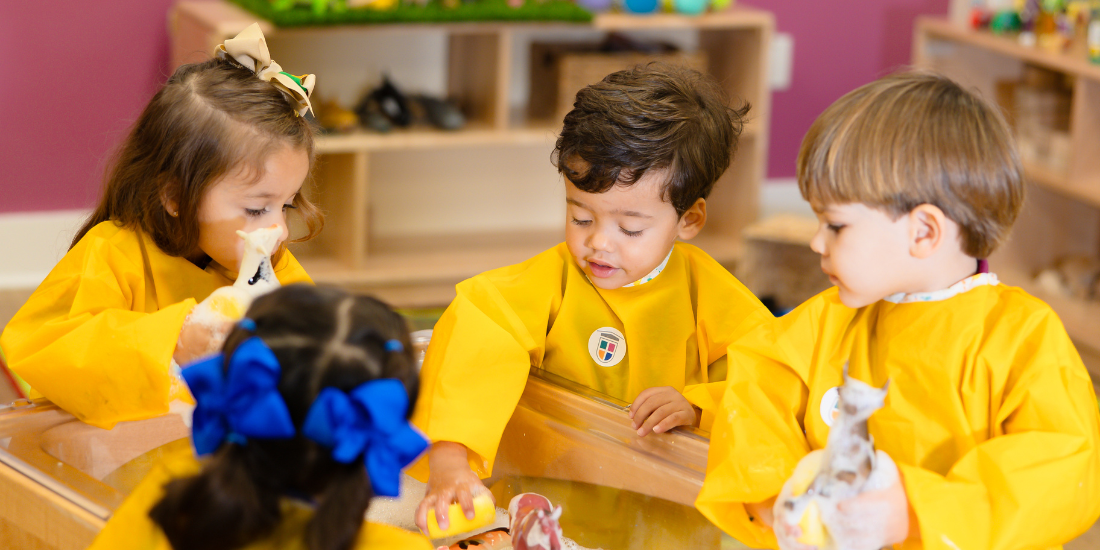
Creativity is not a talent reserved for a select few; it is a fundamental part of how young children learn, communicate, and make sense of the world. In the early years, when the brain is developing at a remarkable pace, creative experiences serve as powerful vehicles for growth. High-quality preschools recognize this, weaving creativity into every corner of the learning day to help children become curious, confident, and capable individuals.
How Creativity Supports Cognitive Development
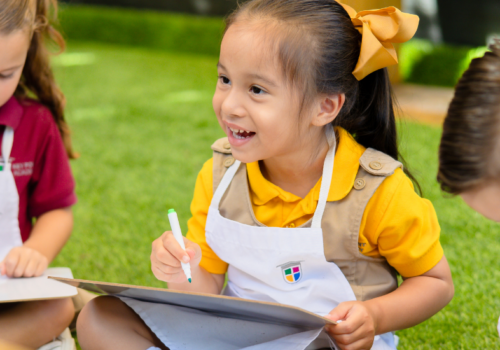
When young children engage in creative activities, they are doing far more than having fun. Drawing requires a child to make choices, translate mental images into physical form, and evaluate the result, strengthening executive functioning and critical thinking. Building with blocks or exploring STEAM projects invites children to experiment and problem-solve in real time. These experiences build mental flexibility and curiosity that support lifelong learning, and the best preschools intentionally design their environments to make this possible.
Creativity and Emotional Expression
For toddlers and preschool-age children still developing the vocabulary to describe their feelings, creativity offers an essential outlet. Art, movement, music, and pretend play create a safe space to explore a wide range of emotions, joy, frustration, excitement, and sadness in healthy ways. This emotional processing supports self-regulation, resilience, and self-awareness that serve children well beyond the preschool years, which is why preschools that prioritize creative expression lay an especially strong foundation for long-term well-being.
The Social Side of Creative Play
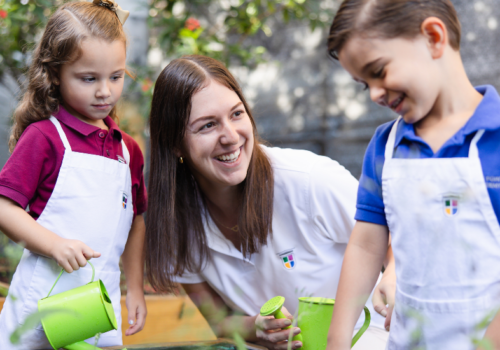
Creativity rarely happens in isolation. In a preschool setting, children build on each other’s ideas, collaborate on art projects, and celebrate one another’s contributions. A child who listens to a classmate’s idea or offers a suggestion during a group activity is developing empathy, communication, and cooperation, all within the natural flow of creative activity. According to the Council for American Private Education, there are 34,576 private schools in the United States serving 5.7 million PK-12 students, accounting for 25 percent of the nation’s schools. Within these settings, the shared creative experiences that shape social learning are especially central to the curriculum.
The most meaningful learning in early childhood happens when children are engaged, motivated, and free to express themselves. At Key Point Academy Doral, creativity is woven into every program from art and music to STEAM exploration and play-based learning. If you are looking for a preschool in the Miami area that nurtures your child’s imagination and supports their whole development, we invite you to learn more and schedule a tour today.
Related Articles